
Take the scene on a platform in the Gulf of Mexico when inspectors found a fan located next to a gas buster during coiled tubing operations. Seems innocent enough until the inspectors looked at the fan and saw that the fan was not rated for Class 1 Division 2 location as required for the area. Coiled tubing is a very long metal pipe supplied spooled on a large reel and ends up for interventions in oil and gas wells and sometimes as production tubing in depleted gas wells
The fan plug had been changed to a Class 1 Division 2 rated plug, but the fan itself was still rated for an unclassified area, said investigators at the Bureau for Safety and Environmental Enforcement (BSEE).
With all that in mind, BSEE investigators recommend operators and contractors consider the following:

- Reviewing Safety Alert 395 issued in September 2020.
- Reviewing the electrical hazard classification drawings as part of a hazards review when planning work.
- Before installing any new equipment, confirming it meets appropriate standards (e.g., API 500, 505, 14F, and 14FZ) for electrical hazard classification in the area where work will occur.
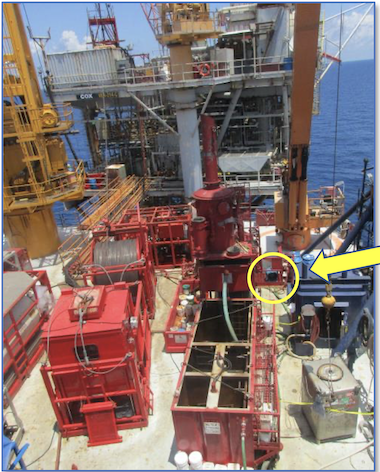
Location of fan motor with a hazard sticker that reads “Do not operate this unit in explosive or flammable type atmospheres.”Source: BSEE
- Markings should be present on the enclosures of electrical equipment and/or motors indicating the equipment is approved for operation in hazardous (classified) locations or warning against use in areas where flammable or combustible gases and vapors are present.
- Equipment rated for Class 1 Division 2 locations are used in areas where flammable gases and vapors may sometimes be present. They should not be used in areas where flammable or combustible gases and vapors are present during normal operations. The rating required may also depend on the flammable gases present (e.g., natural gas vs. hydrogen).
- Refer to National Electrical Code (NEC), in Article 500, for more information on hazardous (classified) locations.
- Check enclosures, wiring, and electrical connections for damage or improper modification.