
Using multiple methods to measure the ratio of ethane to methane in the ambient air around fossil energy development regions can be used to attribute emissions to specific polluters, said researchers in a new study in New Mexico’s San Juan Basin.
“We were able to show that individual sources of methane from coal, oil and gas, and fossil fuel infrastructure in New Mexico’s San Juan Basin have different ethane-to-methane ratios that can be detected at various scales, allowing us to differentiate among them,” said Aaron Meyer, a graduate student researcher at Los Alamos National Laboratory and lead author of a paper on the research.
The results in the San Juan Basin provide a basis for source identification and apportionment using a variety of measurement techniques that can extend to other oil and gas basins.

While oil, gas and coal production is widely known to emit methane, a potent greenhouse gas, the industry’s geographically vast and variable infrastructure from extraction sites to processing facilities makes attributing these emissions to specific sources challenging.
“Natural gas is primarily methane but includes other hydrocarbons, including ethane,” said Manvendra Dubey, co-corresponding author of the paper and leader of the project at Los Alamos. “The composition of the gas varies with the source. We were able to discriminate among these using unique instruments that span many scales that were deployed by Los Alamos in the Four Corners. Our findings enable emitter accountability to reduce methane emissions, which are 84 times more potent as a warming agent than carbon dioxide, in this decade.”
Focusing on a methane hot spot discovered several years ago above the Four Corners, the study for the first time analyzed observations made at time scales from seconds to hours and length scales from meters to tens of kilometers.
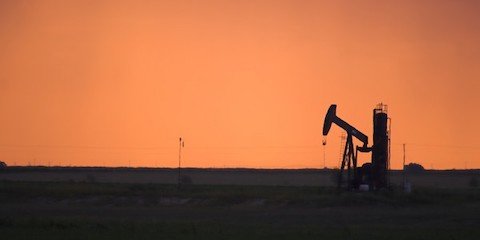
Leakage from fossil energy extraction, production and infrastructure account for significant methane pollution, a major contributor to climate change that has been prioritized for reduction. A new approach to measuring those emissions simplifies the task of pinpointing individual sources.
Source: Dreamstime
The research team took measurements with a mobile ground-based sensing system and studied older data from aircraft campaigns and remote sensing platforms. The analysis determined the vent shaft of the San Juan coal mine consistently emitted a stable ratio of ethane to methane over eight years of measurements. The ratio held up under a variety of measurement techniques and over a range of distances from the source.
That ethane-to-methane ratio serves as a distinct signature identifying the coal vent and differentiating it from other sources, many of which showed drastically different ratios, Meyer said.
“Despite a diverse and changing emissions environment, we successfully used ethane-to-methane ratios to identify and apportion several sources across scales in space and time,” Meyer said. “Using different measurement techniques can leverage the advantages of each to build a systems-level approach to monitoring across an entire basin.”
“Without the ability to identify, locate and quantify methane emissions, any reduction attempts are thwarted,” Meyer said.